
Always Tired No Matter What You Do? It Could Be Your Thyroid, Your Cortisol, or Both

Quick Summary: Persistent fatigue that sleep does not fix is one of the most common signs of thyroid dysfunction or adrenal stress, two hormonal patterns that standard labs frequently miss. At Origins: Health by Design in Irmo, SC, functional medicine evaluates the full thyroid panel and cortisol patterns across the day to find what conventional testing overlooks, and builds a plan that actually addresses the root cause. If you are always tired regardless of how much you sleep, and you have been told your bloodwork looks fine, you are not imagining things. Thyroid and adrenal fatigue in Irmo, SC are among the most common reasons people show up at Origins: Health by Design after months or years of being dismissed by standard testing. These two systems govern how your body produces and uses energy, and when either one starts to struggle, exhaustion becomes your baseline rather than a signal that something temporary is wrong. The frustrating reality is that conventional thyroid testing often measures only one marker, TSH, and calls it sufficient. Adrenal function is rarely tested at all unless a serious disease is suspected. Functional medicine fills that gap by looking at the full picture, which is the same approach we take when evaluating the broader range of what hormone imbalance symptoms look like when labs come back normal. If you have been living in a fog of exhaustion and nothing has explained it yet, your thyroid and your cortisol are two places worth looking carefully. What Your Thyroid Actually Does (and Why It Goes Wrong) Your thyroid is a small gland with an outsized job. It regulates metabolism, body temperature, heart rate, and the rate at which every cell in your body produces energy. When thyroid output slows down, even slightly, the effects rarely stay contained to one area. Energy drops, weight becomes harder to manage, mood flattens, hair thins, focus blurs, and digestion slows. Many people experience several of these symptoms at once without ever connecting them back to the thyroid. Hypothyroidism, an underactive thyroid, is the most recognized form of thyroid dysfunction, but subclinical hypothyroidism is far more common and far less often caught. In this pattern, thyroid hormone levels sit just inside the range considered normal, yet the body is already struggling to keep up. Hashimoto’s thyroiditis, an autoimmune condition where the immune system slowly attacks the thyroid, is another frequently missed diagnosis. Antibody testing that would reveal Hashimoto’s is not part of most routine panels, which means the condition can progress for years before it is identified. Why Your Thyroid Test Could Look Normal and Still Be a Problem One of the most common frustrations for patients dealing with thyroid and adrenal fatigue in Irmo, SC is hearing that their labs are normal when their body clearly feels otherwise. Part of the issue is which markers get tested. TSH, the marker most doctors rely on, is actually a pituitary signal telling the thyroid to produce more or less hormone. It is not a direct measurement of how much thyroid hormone your cells are actually using. Free T3 is the active hormone your cells depend on for energy production, and many people convert T4, the storage form of thyroid hormone, into T3 poorly. Reverse T3 adds another layer of complexity, since it can bind to thyroid receptors and block active hormone from doing its job, even when total hormone levels look adequate on paper. Thyroid antibodies, specifically TPO and anti thyroglobulin antibodies, can identify Hashimoto’s long before TSH ever shifts out of range. None of this reflects poorly on your doctor. Most standard panels are built to catch disease, not to optimize function, which leaves a wide gap for people who are symptomatic but technically within range. What Is Adrenal Fatigue and Is It Real? The adrenal glands sit above your kidneys and produce cortisol, your primary stress hormone, along with DHEA and adrenaline. Adrenal fatigue is the common term for what functional medicine describes more precisely as HPA axis dysregulation, a pattern where the communication system between your brain and adrenal glands gets worn down by prolonged stress. This is not the same condition as Addison’s disease, which is a rare and severe adrenal disorder. It is instead a pattern of dysfunction that falls below the threshold most conventional medicine tests for, yet is very real and very disruptive to daily life. Cortisol testing across the day, rather than a single morning blood draw, is what reveals this pattern clearly. What Adrenal Dysregulation Feels Like Day to Day People dealing with adrenal dysregulation often describe feeling wired but tired at night, unable to fully wind down even though they are exhausted. Mornings are a struggle, with a slow, heavy start that coffee barely touches. An afternoon energy crash, typically between two and four in the afternoon, is one of the most consistent patterns. Cravings for salt or sugar tend to intensify in the afternoon as well. Many people notice they feel disproportionately floored by stress that would not have affected them years earlier, and recovery from illness or intense exercise takes noticeably longer than it used to. This pattern shows up often in new mothers as well, where the physical demands of pregnancy and postpartum recovery draw heavily on the same reserves. Our related piece on how postpartum depletion drains thyroid and adrenal reserves in new moms walks through that connection in more detail. Nervous system stress that accumulates over time plays a role too, which is a topic our sister practice, Irmo Family Chiropractic, addresses in how nervous system stress builds up and contributes to adrenal overload. How Thyroid and Adrenal Problems Connect to Each Other Thyroid and adrenal function are not separate systems operating in isolation. Chronic stress suppresses the conversion of T4 into active T3, which means someone can develop functional hypothyroidism without ever having a primary thyroid problem. Cortisol excess is often the hidden driver behind a sluggish thyroid picture. Both systems also rely on the same nutritional building
Why Tendon Pain Keeps Coming Back: An Irmo Guide to Tendonitis Treatment That Goes Beyond Rest
Tendon pain has a way of seeming small until it refuses to go away. What starts as a sore elbow, nagging Achilles pain, or a shoulder that “just feels off” can quickly turn into something that changes how you work, exercise, and sleep. For readers searching for a tendonitis treatment center Irmo SC, this article explains why overuse pain often keeps coming back and what a more complete plan can look like. At Origins Health by Design, a thoughtful approach to alternative medicine Columbia SC blends practical care, pain relief support, and whole-body evaluation so patients are not stuck repeating the same cycle. What Tendonitis Actually Is Tendonitis is irritation or damage to a tendon, the thick cord that connects muscle to bone. These tissues are built to handle movement and load, but they do not always recover well when stress is repeated without enough time or support. In many cases, tendon pain is not just inflammation. Over time, the tendon can develop small areas of breakdown, reduced blood flow, and decreased strength. This is why the pain may feel stubborn or slow to heal compared to a simple muscle strain. This also explains why tendon issues often show up in active adults, gym-goers, and workers who repeat the same movements throughout the day. The tissue is not necessarily injured in one moment. Instead, it becomes irritated over time. Why Rest Alone Often Does Not Fix Tendon Pain Rest can calm symptoms in the short term, but it rarely solves the full problem. Many people notice that pain improves after taking time off, only to return once normal activity resumes. This happens because rest does not rebuild tendon strength or correct the underlying stress that caused the irritation in the first place. Without addressing movement patterns, load tolerance, or surrounding muscle support, the tendon is placed under the same strain again. A more effective approach often involves gradual reloading, improved movement mechanics, and support for tissue healing. Without these steps, rest becomes a temporary pause rather than a long-term solution. Shoulder, Elbow, Knee, and Achilles Tendonitis: What Changes From One Area to Another Tendon pain can show up in different parts of the body, and while the root issue is similar, the triggers often vary. Shoulder tendon pain is common in people who lift overhead, perform repetitive reaching, or spend long hours at a desk with poor posture. Elbow tendonitis often affects those who grip frequently, such as gym-goers, golfers, or workers using tools. Knee tendon pain is often linked to jumping, squatting, or running, making it common among active adults and athletes. Achilles tendon issues are frequently seen in runners, walkers, or anyone increasing activity too quickly without proper progression. Even though these areas feel different, the common thread is repeated stress without enough recovery or support. That is why focusing only on the painful spot may not be enough. What Makes Tendon Pain Keep Coming Back Recurring tendon pain is usually not random. It is often the result of patterns that have not been fully addressed. Several factors can contribute to the cycle: When these factors are present, the tendon is repeatedly stressed in the same way. Even if symptoms fade temporarily, the underlying issue remains, increasing the chance of flare-ups. Breaking this cycle requires more than symptom management. It requires understanding how the body is moving and where the stress is coming from. How MLS Laser, Functional Medicine, and Pain Relief Services May Help A more complete tendonitis treatment center Irmo SC approach often includes multiple strategies working together. At Origins Health by Design, care is designed to support both healing and long-term function. This may include: These approaches can help create an environment where the tendon is not constantly being irritated, allowing for more consistent progress. For those looking for a broader, root-focused approach, exploring functional health family care services in Irmo, SC can provide additional support beyond symptom management. When to Visit a Tendonitis Treatment Center in Irmo, SC It is common to wait and see if tendon pain improves, but ongoing symptoms often signal the need for a more structured plan. It may be time to seek care if: Early intervention can help prevent long-term issues and reduce the risk of chronic tendon damage. Addressing the problem sooner often leads to a more efficient and complete recovery. FAQ: Tendonitis Questions We Hear From Patients Is tendonitis the same as tendinosis? Not exactly. Tendonitis refers more to inflammation, while tendinosis involves longer-term tissue changes. Many chronic cases involve elements of both. Should tendon pain be pushed through or avoided? Ignoring pain can make things worse. However, complete avoidance is not always the answer either. Guided movement and controlled loading are often part of recovery. How long does tendon healing take? Tendon healing can take weeks to months depending on severity and consistency of care. Can tendon pain become permanent? Without proper care, it can become chronic. With the right approach, many people improve significantly. What activities should be avoided? Activities that trigger sharp or worsening pain should be modified, but complete inactivity is not always necessary. Stop the Cycle of Tendon Pain for Good Recurring tendon pain can wear you down because it often improves just enough to make you think it is gone, then flares again the moment life gets busy. A thoughtful tendonitis treatment center Irmo SC approach should help you understand not only where the pain is but also why the tissue keeps getting irritated. At Origins Health by Design, care supports patients with tools that can fit into everyday life, including pain management irmo, MLS laser therapy, and root-cause functional support when needed. If tendon pain is interfering with work, workouts, or even simple daily movement, contact Origins Health by Design to schedule the next step.
Postpartum Depletion in Columbia, SC: How Functional Medicine Helps Moms Feel Like Themselves Again

Many moms are told that exhaustion, mood swings, and brain fog are “just part of motherhood.” But when symptoms linger for months or even years after giving birth, something deeper is often going on. For women in Columbia and Irmo, SC, functional medicine at Origins Health by Design can uncover nutrient gaps, hormone imbalances, thyroid issues, and sleep disruptions that keep postpartum depletion from fully resolving. Postpartum life places constant demands on the body. Between interrupted sleep, emotional load, and the physical recovery from pregnancy and birth, many women find themselves running on empty. When fatigue, anxiety, or mental fog do not improve with time, it is a sign the body may need targeted support rather than reassurance to push through. What Is Postpartum Depletion? Postpartum depletion refers to the physical, hormonal, and nutritional exhaustion that can follow pregnancy, birth, and breastfeeding. During pregnancy, a mother’s body prioritizes the baby’s needs, often drawing heavily on nutrient stores such as iron, B vitamins, magnesium, and vitamin D. Hormones shift rapidly after delivery, and stress hormones remain elevated as sleep becomes fragmented. Unlike short-term postpartum recovery, depletion can surface months or even years later. Symptoms may include ongoing fatigue, low mood, anxiety, brain fog, hair changes, and difficulty managing stress. Because these experiences are common, they are often overlooked, leaving many women feeling unheard or unsure why they still do not feel like themselves. How Long Is It Normal to Feel Tired After Having a Baby? Some level of exhaustion is expected in the early weeks after childbirth. However, persistent fatigue that continues well beyond the newborn stage is not something to ignore. When tiredness is paired with mood changes, poor concentration, or feeling emotionally overwhelmed, it may indicate hormone imbalance or nutrient depletion rather than simple sleep loss. Many moms in Columbia and Irmo, including teachers, nurses, remote workers, and stay-at-home moms, juggle demanding schedules with little time to recover. When rest alone does not restore energy, deeper evaluation can help explain why the body is struggling to rebound. Can Functional Medicine Help Postpartum Anxiety and Fatigue? Functional medicine looks at postpartum symptoms through a whole-body lens, recognizing that anxiety and fatigue often stem from multiple overlapping factors rather than a single cause. This approach commonly evaluates and supports: Rather than treating symptoms in isolation, functional medicine focuses on identifying and addressing the underlying contributors keeping the body in a depleted state. This personalized approach helps support gradual recovery, emotional balance, and sustained energy without dismissing symptoms as “just part of being a mom.” What Holistic Postpartum Care Can Look Like Holistic postpartum care focuses on replenishment, balance, and realistic support for daily life. Nutrition plays a central role, emphasizing nutrient-dense foods and targeted supplementation to restore depleted reserves. Hormone and thyroid support may be incorporated when imbalances are identified. Stress regulation is equally important. Gentle strategies that fit into real schedules, such as nervous system support, sleep optimization, and sustainable movement, help the body shift out of survival mode. Care plans are individualized, recognizing that recovery looks different for every mother. Visits are designed to be practical and supportive, including flexibility for moms who may need to bring their baby along. This approach reduces barriers to care and acknowledges the realities of postpartum life. Supporting Moms in Columbia and Irmo Through Postpartum Recovery Postpartum depletion is real, common, and treatable. When fatigue, anxiety, or brain fog persist, it is a sign the body needs more than reassurance to keep going. A functional medicine approach helps uncover what is holding recovery back and supports healing at a foundational level. For moms in Columbia, Irmo, and Lexington, Origins Health by Design provides care focused on whole-body postpartum recovery. Schedule a consultation now to explore an approach that supports replenishment, balance, and a return to feeling like yourself again.
Holistic Practice Helps with Fertility Issues: How Functional Medicine for Women in Columbia Helps
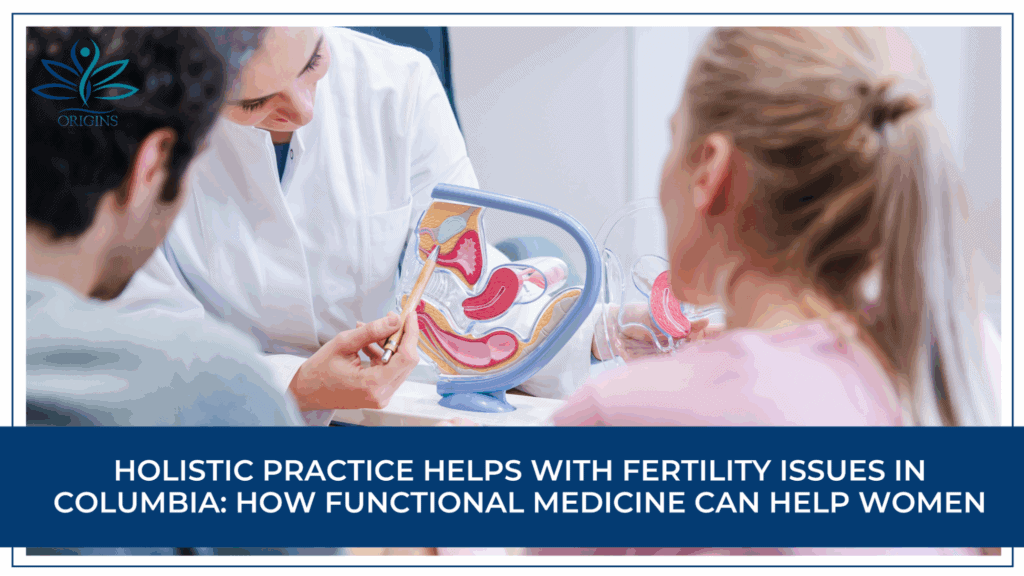
Navigating fertility challenges can feel like walking a winding road full of uncertainty and stress. The repeated cycles of hope and disappointment, countless tests, and ongoing appointments often take an emotional toll. Added to this, the financial and time commitments of fertility treatments can make the journey even more overwhelming. Finding an approach that addresses the root causes of infertility rather than simply masking symptoms can provide much-needed clarity and support. Functional medicine and holistic care offer a patient-centered approach, focusing on the unique factors that influence each woman’s reproductive health. By viewing the body as an interconnected system, these approaches aim to optimize overall wellness while creating the most supportive environment for conception. Understanding Fertility Challenges Fertility struggles are more common than many realize and can stem from a mix of biological and lifestyle factors. Hormonal imbalances, thyroid disorders, PCOS, irregular ovulation, and unexplained infertility are frequent contributors. Lifestyle factors like chronic stress, poor sleep, nutrient deficiencies, and exposure to environmental toxins can also affect reproductive health. It’s important to recognize that these challenges are not a personal failure. Understanding the underlying factors influencing fertility is the first step toward a proactive approach. With awareness of these influences, women can work with medical providers to create strategies that support overall wellness and improve the chances of conception. The Functional Medicine Approach Functional medicine shifts the focus from simply treating symptoms to uncovering the root causes of health issues. In the context of fertility, this means examining hormonal balance, metabolic function, nutrient status, gut health, and even immune system activity. A functional medicine practitioner begins with a detailed review of a patient’s health history, lifestyle habits, and environmental exposures. Advanced laboratory testing, including hormone panels and metabolic assessments, allows for a precise understanding of what may be interfering with reproductive health. Rather than relying solely on medications or invasive procedures, functional medicine looks to create a foundation of wellness that supports the body’s natural ability to conceive. Holistic Strategies to Support Fertility Holistic fertility support goes far beyond standard labs and diagnostics, addressing the body as a whole to create the best environment for conception. Nutrition is a cornerstone of this approach. Emphasizing nutrient-dense foods helps balance hormones, support ovulation, and optimize metabolic health. Whole foods rich in vitamins, minerals, and healthy fats provide the building blocks necessary for reproductive function. Targeted supplements, chosen based on individual deficiencies, can further enhance fertility and support overall wellness. Lifestyle habits are equally important in supporting reproductive health. Chronic stress can elevate cortisol, a hormone that negatively affects ovulation and hormonal balance. Incorporating stress-reducing practices such as mindfulness, yoga, or meditation can help regulate cortisol levels and create a more favorable environment for conception. Adequate sleep allows the body to recover and maintain hormonal equilibrium, while regular physical activity supports metabolic health, circulation, and overall energy levels. Environmental factors also play a significant role. Reducing exposure to toxins commonly found in household products, processed foods, and personal care items can limit disruptions to the endocrine system and support reproductive wellness. By combining nutrition, lifestyle adjustments, and environmental awareness, functional medicine and holistic care provide women with a comprehensive, personalized plan that strengthens the body from the inside out. This approach not only improves the chances of conception but also enhances energy, mood, and long-term health, creating a foundation for lasting well-being beyond fertility. Personalized Functional Medicine Plans One of the key benefits of functional medicine for fertility is the focus on personalized care. Every woman’s reproductive health is influenced by a unique combination of genetics, hormones, lifestyle, and environmental factors. By conducting comprehensive assessments including lab testing, detailed health histories, and lifestyle evaluations, functional medicine providers can identify underlying imbalances that may be affecting fertility. These insights allow for the creation of a tailored plan that addresses root causes rather than just symptoms. Whether it’s correcting nutrient deficiencies, supporting thyroid function, regulating menstrual cycles, or addressing chronic inflammation, individualized interventions target the specific areas that need attention. This precision improves the likelihood of successful conception while also promoting overall well-being. Integrating Conventional and Holistic Approaches Functional medicine does not exclude conventional fertility treatments; instead, it complements them. For women undergoing procedures such as IVF or other assisted reproductive technologies, holistic support can optimize outcomes. Proper nutrition, stress management, and hormone balance enhance the body’s readiness for treatment and recovery. Even for those pursuing natural conception, these strategies create an internal environment that supports reproductive health. By integrating conventional medicine with holistic practices, women can approach fertility challenges with a more comprehensive, supportive, and informed plan. Taking Control of Your Fertility Facing fertility challenges can be an emotional, stressful journey, but a holistic, functional approach offers a path that addresses the root causes of reproductive issues. By focusing on nutrition, lifestyle, environmental factors, and personalized interventions, women can strengthen their overall health and create the best conditions for conception. Functional medicine provides a patient-centered, science-based framework that works alongside conventional treatments or supports natural fertility efforts. This approach not only enhances the chances of conception but also improves energy, mood, and long-term health, giving women a sense of empowerment during an often uncertain journey. Contact Origins: Health by Design to schedule a consultation and learn how functional medicine can support fertility and overall wellness. Take the first step toward a more balanced, healthy, and hopeful path to conception, reach out today.
What Labs Should I Get and How Often? A Holistic Medical Provider’s Guide to Understanding Your Most Important Health Markers
Managing health can feel overwhelming, especially with the vast amount of health advice and tests available. With so many options, it’s easy for individuals to feel unsure about which tests are necessary and how often they should be done. However, regular lab tests play a crucial role in staying on track with health goals and catching potential issues early. In South Carolina, staying on top of health not only supports well-being but also empowers individuals in their daily lives. Whether managing chronic conditions or aiming for optimal health, knowing which lab tests to prioritize can guide informed decisions and lead to better health outcomes. This guide breaks down essential lab tests, their frequency, and how a holistic approach can provide deeper insights into overall health. Why Regular Lab Testing is Crucial for Long-Term Health Regular lab testing is a cornerstone of proactive healthcare. Think of it as a roadmap for your body, showing you where everything is functioning well and where there might be a need for improvement. Testing is key in detecting problems early, often before symptoms even appear, allowing for timely interventions. When you work with a holistic medical provider, they aim to understand how all parts of your body are interconnected. Instead of only looking at isolated symptoms, they take a broader view to provide personalized care based on your unique needs. For example, your diet, sleep habits, and stress levels can all affect your lab results, which is why a holistic approach is essential. Lab tests also help to monitor and manage chronic conditions like diabetes, heart disease, and thyroid imbalances. These conditions don’t always show immediate symptoms, but over time, they can take a significant toll on your health. With the right lab tests, you can get ahead of these issues and work with your provider to make adjustments to your lifestyle, diet, or medications to maintain long-term wellness. The Most Important Labs to Consider and Their Frequency There are several key lab tests that can give you valuable insights into your overall health. The frequency of these tests will vary depending on factors like your age, lifestyle, medical history, and any symptoms you’re experiencing. Below are some of the most important tests you should consider, along with how often you should get them: By staying on top of these important markers, you and your provider can make informed decisions about your health, potentially preventing serious health issues down the line. How a Holistic Medical Provider Interprets Lab Results A holistic medical provider takes a comprehensive approach when interpreting lab results. Rather than simply looking at individual numbers or isolated symptoms, they aim to understand how the entire body is functioning and how different systems are interconnected. For example, a traditional approach might focus on treating isolated conditions like high cholesterol or thyroid dysfunction with medications. However, a holistic provider would consider how factors like diet, stress levels, sleep, and lifestyle choices contribute to these conditions. By taking a whole-body approach, they can often identify root causes and guide more personalized treatment plans that incorporate lifestyle changes, nutritional support, and other therapies. Lab tests become a tool for understanding the bigger picture. For instance, if a patient’s thyroid function is off, a holistic provider will not only address the thyroid issue but will also look at factors like inflammation, nutrient deficiencies, and adrenal health, all of which can influence thyroid function. This approach helps to provide long-term solutions rather than just masking symptoms. When to Request Additional Testing While routine lab tests provide important baseline data, sometimes symptoms or health conditions may require more specialized testing. There are various reasons why individuals might need additional tests beyond the standard panels. Here are some scenarios where further testing could be beneficial: For patients with chronic pain, fatigue, hypermobility, or overlapping symptoms that standard labs do not fully explain, it may also be helpful to learn more about working with an Ehlers-Danlos Syndrome functional medicine provider in Columbia, SC. Knowing when to request these additional tests is key to getting a more complete picture of health. A holistic medical provider can guide individuals in choosing the right specialized tests based on their Take Control of Your Health with Regular Lab Testing Regular lab testing is key to maintaining long-term health and preventing chronic conditions. By staying on top of health markers like blood sugar, cholesterol, thyroid function, and vitamin levels, individuals can make informed decisions about their wellness. A holistic approach to lab testing offers a deeper understanding of how health systems are interconnected, allowing for personalized care that addresses the root causes of imbalances. Working with a holistic provider ensures treatment plans are tailored to individual needs, incorporating lifestyle changes and nutrition. For those seeking a proactive approach to health, knowing which labs to get and how often is crucial to a healthier life. It’s never too late to start focusing on well-being, regular lab testing is an essential step toward optimal health. Contact Origins Health by Design to schedule a consultation and discover how a holistic approach can give you a better understanding of your health. Take the first step toward a more balanced life!