
Why Your Skin Keeps Breaking Out (and Why the Answer Might Be in Your Gut)

You have tried the cleansers, the prescription creams, the elimination diets. You have cut out dairy, switched to fragrance free everything, and still your skin cycles through flares that do not make obvious sense. If this sounds familiar, the gut and skin connection in Irmo, SC is worth understanding, because for a significant number of adults dealing with persistent skin problems, the issue is not at the surface level. It is coming from somewhere deeper inside the body. Skin is one of the most visible ways the body signals internal inflammation. When the digestive system is under stress and the gut lining is allowing inflammatory particles into the bloodstream, the immune system activates. That response shows up in joints, in energy levels, in mood, and very often, in the skin. The patterns we see in patients dealing with chronic skin flares align closely with the same gut dysfunction we explore in how leaky gut symptoms show up across the whole body. Understanding that connection is the first step toward skin that actually clears. What Is the Gut-Skin Axis? The gut skin axis describes the two way communication between the digestive system and the skin. Both are major barrier organs. The gut lining regulates what enters the bloodstream, and the skin regulates what enters from outside. When the gut barrier weakens, the immune signals that reach the skin change significantly. Research increasingly links gut microbiome imbalance and intestinal permeability to inflammatory skin conditions. This is not fringe science. It is an active area of investigation in dermatology and gastroenterology, and it is a central part of how functional medicine in Irmo, SC evaluates chronic skin symptoms. Skin Conditions That Are Often Connected to Gut Health Adult Acne Inflammatory acne, especially around the jaw and chin, is frequently associated with gut dysbiosis and food sensitivity patterns, which is a common thread in adult acne gut health cases in Columbia, SC. Hormones processed through the gut also affect sebum production. When the gut clears estrogen and androgens poorly, that imbalance contributes directly to hormonal acne that skincare alone cannot resolve. Eczema and Atopic Dermatitis A compromised gut microbiome, both in early life and on an ongoing basis, is one of the most consistent risk factors for eczema development and flaring. This is a core piece of eczema root cause functional medicine in Irmo, SC. Food sensitivities commonly drive eczema flares, and identifying them requires gut level investigation rather than elimination guessing. Rosacea Studies show a significantly higher rate of gut dysbiosis and small intestinal bacterial overgrowth, known as SIBO, in patients with rosacea. This connection between rosacea and gut inflammation in Columbia, SC helps explain why redness and flaring patterns often track closely with digestive symptoms rather than anything applied to the skin. General Skin Inflammation and Unexplained Rashes Immune activation from gut permeability can produce diffuse skin reactivity that does not fit a clean diagnosis. These presentations are often dismissed or treated purely topically without investigating the underlying immune trigger. For some patients, this immune reactivity overlaps with broader patterns worth understanding, including how MCAS immune reactivity and inflammatory triggers connect in South Carolina’s climate, particularly for chronic skin problems and gut health cases across South Carolina that do not respond to standard treatment. How Does Gut Inflammation Reach the Skin? When the tight junctions in the gut lining weaken, bacterial fragments and undigested particles enter the bloodstream. The immune system treats these particles as foreign invaders and launches an inflammatory response. That inflammation is not contained to the gut. It travels systemically and surfaces in the skin, the joints, and the brain. Gut bacteria also influence the production of short chain fatty acids and neurotransmitters that regulate skin cell turnover and immune signaling. For patients dealing with combined skin and energy symptoms, it is worth reading how gut health connects to autoimmune fatigue and inflammation, since the same underlying gut skin axis functional medicine framework applies to both. Why Topical Treatments Alone Often Fall Short Topical treatments manage the symptom at the surface but do not address the internal inflammatory signal driving it. This is why skin flares return after treatment, worsen with stress, and often correlate with digestive symptoms or food reactions. Dermatological care has real value, but it works best when paired with an investigation of what is fueling the inflammation underneath. Stress is one of the most overlooked pieces of this picture. Elevated cortisol weakens the gut lining and disrupts the microbiome, which increases permeability and amplifies the same immune reactivity that shows up on the skin. Some patients find that how reducing spinal stress and nervous system tension supports whole-body inflammation levels complements gut focused care, since calming the nervous system helps lower the overall inflammatory load. This is not a reason to abandon your dermatologist. It is a reason to also ask what is driving the fire, not just where it is burning. What Functional Medicine Looks at When Skin Is the Symptom Comprehensive stool analysis looks at microbial balance, gut inflammation markers, and digestive enzyme activity. Food sensitivity testing identifies immune reactions to foods that may be triggering skin and gut inflammation together, rather than guessing through another elimination diet. Gut permeability markers, including zonulin testing, assess how permeable the gut lining has become. Hormone and nutrient evaluation looks at how well the gut is clearing hormones and whether nutrient levels that affect skin directly, such as zinc, vitamin A, and omega-3s, are where they need to be. From there, a personalized plan addresses gut restoration, dietary adjustments, and the stress response together. This is the same root cause approach used across our functional health and family care services in Irmo, applied specifically to patients whose primary concern is chronic, unresolved skin symptoms. Frequently Asked Questions Can gut health really affect your skin? Yes, and the research supporting this connection is substantial. The gut and skin share immune regulation pathways and are both barrier organs. When the gut microbiome is imbalanced or the gut
Always Tired No Matter What You Do? It Could Be Your Thyroid, Your Cortisol, or Both
Quick Summary: Persistent fatigue that sleep does not fix is one of the most common signs of thyroid dysfunction or adrenal stress, two hormonal patterns that standard labs frequently miss. At Origins: Health by Design in Irmo, SC, functional medicine evaluates the full thyroid panel and cortisol patterns across the day to find what conventional testing overlooks, and builds a plan that actually addresses the root cause. If you are always tired regardless of how much you sleep, and you have been told your bloodwork looks fine, you are not imagining things. Thyroid and adrenal fatigue in Irmo, SC are among the most common reasons people show up at Origins: Health by Design after months or years of being dismissed by standard testing. These two systems govern how your body produces and uses energy, and when either one starts to struggle, exhaustion becomes your baseline rather than a signal that something temporary is wrong. The frustrating reality is that conventional thyroid testing often measures only one marker, TSH, and calls it sufficient. Adrenal function is rarely tested at all unless a serious disease is suspected. Functional medicine fills that gap by looking at the full picture, which is the same approach we take when evaluating the broader range of what hormone imbalance symptoms look like when labs come back normal. If you have been living in a fog of exhaustion and nothing has explained it yet, your thyroid and your cortisol are two places worth looking carefully. What Your Thyroid Actually Does (and Why It Goes Wrong) Your thyroid is a small gland with an outsized job. It regulates metabolism, body temperature, heart rate, and the rate at which every cell in your body produces energy. When thyroid output slows down, even slightly, the effects rarely stay contained to one area. Energy drops, weight becomes harder to manage, mood flattens, hair thins, focus blurs, and digestion slows. Many people experience several of these symptoms at once without ever connecting them back to the thyroid. Hypothyroidism, an underactive thyroid, is the most recognized form of thyroid dysfunction, but subclinical hypothyroidism is far more common and far less often caught. In this pattern, thyroid hormone levels sit just inside the range considered normal, yet the body is already struggling to keep up. Hashimoto’s thyroiditis, an autoimmune condition where the immune system slowly attacks the thyroid, is another frequently missed diagnosis. Antibody testing that would reveal Hashimoto’s is not part of most routine panels, which means the condition can progress for years before it is identified. Why Your Thyroid Test Could Look Normal and Still Be a Problem One of the most common frustrations for patients dealing with thyroid and adrenal fatigue in Irmo, SC is hearing that their labs are normal when their body clearly feels otherwise. Part of the issue is which markers get tested. TSH, the marker most doctors rely on, is actually a pituitary signal telling the thyroid to produce more or less hormone. It is not a direct measurement of how much thyroid hormone your cells are actually using. Free T3 is the active hormone your cells depend on for energy production, and many people convert T4, the storage form of thyroid hormone, into T3 poorly. Reverse T3 adds another layer of complexity, since it can bind to thyroid receptors and block active hormone from doing its job, even when total hormone levels look adequate on paper. Thyroid antibodies, specifically TPO and anti thyroglobulin antibodies, can identify Hashimoto’s long before TSH ever shifts out of range. None of this reflects poorly on your doctor. Most standard panels are built to catch disease, not to optimize function, which leaves a wide gap for people who are symptomatic but technically within range. What Is Adrenal Fatigue and Is It Real? The adrenal glands sit above your kidneys and produce cortisol, your primary stress hormone, along with DHEA and adrenaline. Adrenal fatigue is the common term for what functional medicine describes more precisely as HPA axis dysregulation, a pattern where the communication system between your brain and adrenal glands gets worn down by prolonged stress. This is not the same condition as Addison’s disease, which is a rare and severe adrenal disorder. It is instead a pattern of dysfunction that falls below the threshold most conventional medicine tests for, yet is very real and very disruptive to daily life. Cortisol testing across the day, rather than a single morning blood draw, is what reveals this pattern clearly. What Adrenal Dysregulation Feels Like Day to Day People dealing with adrenal dysregulation often describe feeling wired but tired at night, unable to fully wind down even though they are exhausted. Mornings are a struggle, with a slow, heavy start that coffee barely touches. An afternoon energy crash, typically between two and four in the afternoon, is one of the most consistent patterns. Cravings for salt or sugar tend to intensify in the afternoon as well. Many people notice they feel disproportionately floored by stress that would not have affected them years earlier, and recovery from illness or intense exercise takes noticeably longer than it used to. This pattern shows up often in new mothers as well, where the physical demands of pregnancy and postpartum recovery draw heavily on the same reserves. Our related piece on how postpartum depletion drains thyroid and adrenal reserves in new moms walks through that connection in more detail. Nervous system stress that accumulates over time plays a role too, which is a topic our sister practice, Irmo Family Chiropractic, addresses in how nervous system stress builds up and contributes to adrenal overload. How Thyroid and Adrenal Problems Connect to Each Other Thyroid and adrenal function are not separate systems operating in isolation. Chronic stress suppresses the conversion of T4 into active T3, which means someone can develop functional hypothyroidism without ever having a primary thyroid problem. Cortisol excess is often the hidden driver behind a sluggish thyroid picture. Both systems also rely on the same nutritional building
Bloated, Foggy, and Exhausted for No Reason? Your Gut May Be Behind More Than You Think

Quick Summary: Bloating, brain fog, skin flares, fatigue, and food sensitivities that seem unrelated may actually share a common root: a damaged gut lining. Leaky gut, or intestinal permeability, allows inflammatory particles to enter the bloodstream and disrupt systems throughout the body. At Origins: Health by Design in Irmo, SC, functional medicine looks at gut health as a foundational piece of your overall wellness. You eat a meal you have had a hundred times, and suddenly you are bloated and uncomfortable for the rest of the day. You sleep eight hours and wake up exhausted. Your skin keeps breaking out even though nothing in your routine has changed. Your brain feels slow, and you find yourself forgetting things you would normally remember. If you have been dealing with a mix of symptoms like these and no one has connected the dots, leaky gut symptoms in Irmo, SC are worth understanding, because this overlap is often exactly where the pattern begins. The gut does far more than digest food. It houses most of your immune system, communicates directly with your brain, and plays a central role in regulating inflammation throughout your body. When the gut lining becomes compromised, particles that should stay inside the digestive tract begin crossing into the bloodstream. The immune system responds, and that low grade inflammation quietly affects energy, mood, focus, skin, joints, and more. This overlap is something we see regularly at Origins: Health by Design, and it connects directly to patterns described in the connection between gut dysfunction and autoimmune fatigue. The good news is that gut health responds well to the right functional medicine approach. What Is Leaky Gut and Why Does It Matter? Your intestinal lining is made up of cells held together by tight junctions, small structures that work like the seams in a well built fence. They stay close enough together to keep what belongs inside your gut in, while still letting nutrients pass through where they should. When those junctions loosen, the fence develops gaps. Larger food particles, toxins, and bacterial byproducts slip through into the bloodstream where they do not belong, and the immune system responds. That response is the low grade, systemic inflammation behind many of the leaky gut symptoms Irmo SC patients describe to us. Leaky gut is a functional term rather than a formal diagnosis. The underlying condition, intestinal permeability, is increasingly recognized in medical research as a real and measurable phenomenon, and it is not a permanent state. The gut lining is resilient tissue that responds well to the right support. Symptoms That Are Often Connected to an Unhealthy Gut The leaky gut symptoms Irmo SC residents describe most often reach far beyond digestion, showing up in nearly every system of the body. Bloating, Gas, and Digestive Discomfort After Meals Discomfort after eating foods that never used to bother you is one of the more obvious signs. When the gut lining is compromised, digestion becomes less efficient and more reactive, turning easy meals into hours of gas or a swollen feeling. Fatigue That Does Not Improve With Rest Fatigue tied to gut health rarely responds to more sleep alone. Cellular energy production is closely tied to microbiome balance, so when that balance is disrupted, your body struggles to convert food into usable energy no matter how much rest you get. Brain Fog, Poor Focus, and Mood Changes The gut and brain communicate constantly through the gut brain axis. This gut health and brain fog Columbia SC connection means inflammation from a compromised gut lining can interfere with neurotransmitter production, leaving you mentally slow or more irritable than usual. Skin Flares (Acne, Eczema, Rashes) Skin is often one of the first places inflammation shows up visibly. As inflammatory particles circulate through the bloodstream, the skin can react with breakouts, eczema patches, or rashes that resist typical topical treatment because the trigger is not on the surface. New or Worsening Food Sensitivities When the gut lining allows larger food particles through, the immune system may begin reacting to foods it previously tolerated well. This is why new sensitivities can appear seemingly out of nowhere, sometimes years after eating those same foods without issue. Joint Pain and Muscle Aches Without Injury Systemic inflammation does not stay contained to the digestive tract. It travels through the bloodstream and can settle in joints and muscles, producing aches and stiffness with no clear injury behind them. Recurring Illness and Slow Recovery Roughly 70 to 80 percent of your immune tissue is located in the gut, so when gut health suffers, immune function often suffers with it. This can look like catching every cold that goes around or taking longer than expected to bounce back. What Damages the Gut Lining in the First Place? Several everyday factors wear down the gut lining over time. Diets high in processed foods and added sugar feed the type of bacteria that promote inflammation rather than balance. Chronic stress elevates cortisol, which weakens the protective mucus layer of the gut and reduces blood flow to digestive tissue. Frequent antibiotic use and medications like NSAIDs can disrupt the microbiome and irritate the lining directly, and gut infections, bacterial overgrowth, or general dysbiosis add further strain. Poor sleep and a sedentary lifestyle round out the list, since both influence gut motility and the body’s ability to repair itself overnight. Stress management plays a bigger role here than most people expect. Practices like how chiropractic care reduces the stress load that damages gut health over time support the nervous system in a way that can lighten the burden on the gut. How Does Functional Medicine Approach Gut Health Differently? Standard gastrointestinal testing is designed to look for disease, which means results can come back normal even when something is clearly off. Functional medicine takes a different approach by looking for dysfunction before it progresses into a diagnosable condition. At Origins: Health by Design, we use tools such as comprehensive stool analysis, food sensitivity panels, zonulin markers, and micronutrient
Your Labs Came Back “Normal” But You Still Feel Off: What’s Really Going On With Your Hormones

If your labs came back normal but you still feel exhausted, moody, and unlike yourself, your hormones may be the missing piece. Standard blood panels often miss subtle imbalances because they test for disease, not optimal hormonal function. Functional medicine evaluates a wider set of hormones including full thyroid panels, cortisol patterns, and sex hormone ratios that conventional labs skip. At Origins Health in Irmo, SC, we look at the full hormonal picture, not just whether numbers fall inside a reference range. You wake up tired even after a full night of sleep. Your weight creeps up no matter how carefully you eat. Your mood shifts without warning, and by mid-afternoon your brain feels like it is wading through mud. You finally get blood work done, and your doctor calls to say everything looks fine. This is one of the most common and most frustrating experiences for adults dealing with hormone imbalance symptoms in Irmo, SC, and across the Columbia area. Normal labs do not always mean your hormones are actually working the way they should. At Origins: Health by Design, we hear this story regularly. Patients come in after months or even years of being told there is nothing wrong, yet they know something is off. That gut feeling is worth listening to. Hormones govern nearly every system in your body. They shape how you sleep, how you burn energy, how clearly you think, and how stable your mood stays. When they drift out of balance, the effects show up everywhere, and those effects often look a lot like the same patterns we see in patients dealing with how we approach autoimmune fatigue and brain fog. A functional medicine approach gives us more tools to find the real story behind your symptoms. Why “Normal” Lab Results Do Not Always Tell the Whole Story Standard blood panels serve a specific purpose: screening for disease. Nobody designed them to detect the subtle hormonal shifts that can make a person feel chronically off without crossing into diagnosable territory. That distinction matters enormously for patients who are struggling but cannot get answers through conventional care. Here is what often gets missed: Reference ranges are averages, not optimal targets. The normal range on a standard lab report reflects a broad population, including people who are not necessarily thriving. Your result can sit comfortably inside that range and still represent a meaningful drop from where your body functions best. Thyroid panels are routinely incomplete. Most standard orders test only TSH. But a full picture requires free T3, free T4, and reverse T3, as well as thyroid antibodies to check for autoimmune involvement. Catching the full picture through functional medicine hormone testing in Columbia, SC often reveals patterns that a single TSH value never would. Adrenal and cortisol testing rarely happens in routine visits. Your stress hormone patterns fluctuate throughout the day, and evaluating them requires testing at multiple points, not just a single morning draw. Sex hormones can fall out of balance even when they appear in range. Progesterone and estradiol levels that look acceptable on paper may still be out of proportion to each other. That ratio often matters more than any single number. This is not a criticism of your primary care provider. It is a gap in what conventional lab testing catches. Hormone Imbalance Symptoms People Often Overlook Hormone imbalance fatigue and weight gain in Irmo are among the most common reasons patients reach out to us, but the symptom picture is usually broader than people realize. These are the patterns that show up most often. Fatigue That Sleep Does Not Fix This is not ordinary tiredness. It is waking up unrefreshed after seven or eight hours, dragging through the morning, crashing in the early afternoon, and relying on caffeine to hold things together until evening. When sleep does not restore you, it is a signal that something deeper is going on. Unexplained Weight Changes Weight gain that arrives without any real change in diet or activity is one of the most disorienting symptoms of hormone imbalance. Thyroid dysfunction, cortisol dysregulation, and insulin resistance can all make losing weight feel nearly impossible even when you are doing everything right. Mood Shifts, Anxiety, and Low Motivation Irritability that comes out of nowhere, a persistent low mood, or an anxious hum that never fully quiets down — these are not personality quirks. They can all trace back to hormonal shifts. Clinicians frequently attribute these symptoms to stress or anxiety when the underlying driver is biochemical. Brain Fog and Poor Concentration Forgetting things you normally remember, losing your train of thought mid-sentence, and struggling to focus at work are not just signs of a busy schedule. Thyroid function and estrogen metabolism link hormones directly to brain fog. Sleep Disruption Difficulty falling asleep, waking between 2 and 4 in the morning, or lying in bed exhausted but unable to wind down — these are not random patterns. All three connect to the hormonal systems that regulate your sleep cycle. This pattern is especially common when cortisol remains elevated into the evening. Changes in Skin, Hair, and Libido Thinning hair, dry skin, a noticeably lower sex drive, and worsening PMS or irregular cycles often accompany hormonal shifts in women. In men, similar changes can signal declining testosterone or thyroid function. Which Hormones Does Functional Medicine Actually Look At? Functional medicine hormone testing goes well beyond a standard panel. At Origins: Health by Design, a comprehensive evaluation typically includes: Thyroid and Adrenal Hormones Thyroid function (full panel): TSH, free T3, free T4, reverse T3, and TPO antibodies to check for Hashimoto’s thyroiditis and other autoimmune involvement. Adrenal and cortisol patterns: Because cortisol fluctuates throughout the day, evaluating it at multiple time points gives us a much clearer picture of how your stress response is functioning. Sex Hormones, Insulin, and DHEA Sex hormones: Estrogen, progesterone, and testosterone, with attention to the ratios between them, not just whether each value falls within a reference range. Insulin and blood sugar
Fibromyalgia Flare Ups and Chronic Pain in Irmo, SC: What to Do When Rest Isn’t Enough
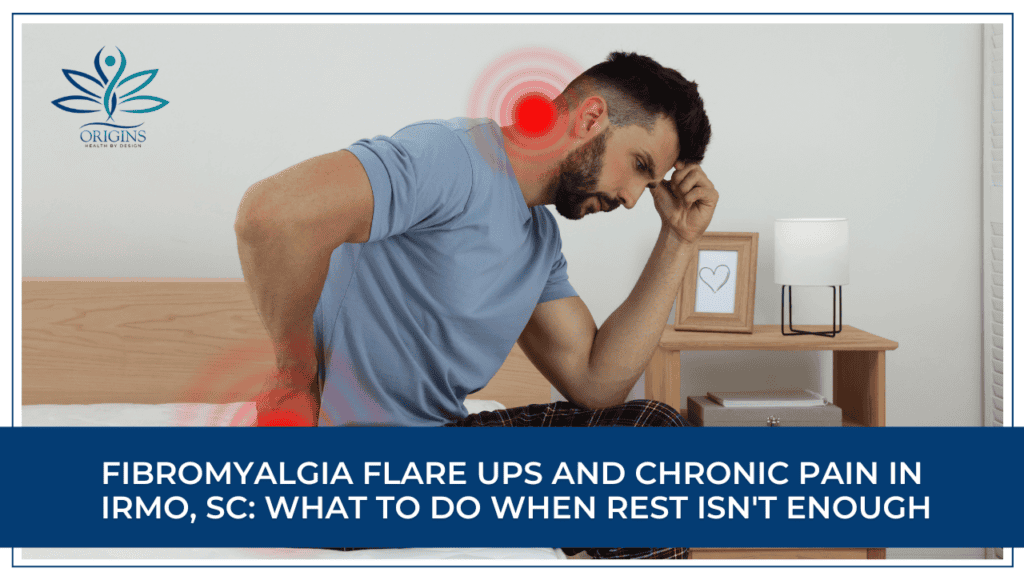
If fibromyalgia flare-ups keep returning despite rest, stretching, and over-the-counter relief, it may be time to look deeper. Chronic pain treatment at Origins Health by Design in Irmo, SC addresses patterns behind fibromyalgia, fatigue, sleep issues, and brain fog.
Why Tendon Pain Keeps Coming Back: An Irmo Guide to Tendonitis Treatment That Goes Beyond Rest
Tendon pain has a way of seeming small until it refuses to go away. What starts as a sore elbow, nagging Achilles pain, or a shoulder that “just feels off” can quickly turn into something that changes how you work, exercise, and sleep. For readers searching for a tendonitis treatment center Irmo SC, this article explains why overuse pain often keeps coming back and what a more complete plan can look like. At Origins Health by Design, a thoughtful approach to alternative medicine Columbia SC blends practical care, pain relief support, and whole-body evaluation so patients are not stuck repeating the same cycle. What Tendonitis Actually Is Tendonitis is irritation or damage to a tendon, the thick cord that connects muscle to bone. These tissues are built to handle movement and load, but they do not always recover well when stress is repeated without enough time or support. In many cases, tendon pain is not just inflammation. Over time, the tendon can develop small areas of breakdown, reduced blood flow, and decreased strength. This is why the pain may feel stubborn or slow to heal compared to a simple muscle strain. This also explains why tendon issues often show up in active adults, gym-goers, and workers who repeat the same movements throughout the day. The tissue is not necessarily injured in one moment. Instead, it becomes irritated over time. Why Rest Alone Often Does Not Fix Tendon Pain Rest can calm symptoms in the short term, but it rarely solves the full problem. Many people notice that pain improves after taking time off, only to return once normal activity resumes. This happens because rest does not rebuild tendon strength or correct the underlying stress that caused the irritation in the first place. Without addressing movement patterns, load tolerance, or surrounding muscle support, the tendon is placed under the same strain again. A more effective approach often involves gradual reloading, improved movement mechanics, and support for tissue healing. Without these steps, rest becomes a temporary pause rather than a long-term solution. Shoulder, Elbow, Knee, and Achilles Tendonitis: What Changes From One Area to Another Tendon pain can show up in different parts of the body, and while the root issue is similar, the triggers often vary. Shoulder tendon pain is common in people who lift overhead, perform repetitive reaching, or spend long hours at a desk with poor posture. Elbow tendonitis often affects those who grip frequently, such as gym-goers, golfers, or workers using tools. Knee tendon pain is often linked to jumping, squatting, or running, making it common among active adults and athletes. Achilles tendon issues are frequently seen in runners, walkers, or anyone increasing activity too quickly without proper progression. Even though these areas feel different, the common thread is repeated stress without enough recovery or support. That is why focusing only on the painful spot may not be enough. What Makes Tendon Pain Keep Coming Back Recurring tendon pain is usually not random. It is often the result of patterns that have not been fully addressed. Several factors can contribute to the cycle: When these factors are present, the tendon is repeatedly stressed in the same way. Even if symptoms fade temporarily, the underlying issue remains, increasing the chance of flare-ups. Breaking this cycle requires more than symptom management. It requires understanding how the body is moving and where the stress is coming from. How MLS Laser, Functional Medicine, and Pain Relief Services May Help A more complete tendonitis treatment center Irmo SC approach often includes multiple strategies working together. At Origins Health by Design, care is designed to support both healing and long-term function. This may include: These approaches can help create an environment where the tendon is not constantly being irritated, allowing for more consistent progress. For those looking for a broader, root-focused approach, exploring functional health family care services in Irmo, SC can provide additional support beyond symptom management. When to Visit a Tendonitis Treatment Center in Irmo, SC It is common to wait and see if tendon pain improves, but ongoing symptoms often signal the need for a more structured plan. It may be time to seek care if: Early intervention can help prevent long-term issues and reduce the risk of chronic tendon damage. Addressing the problem sooner often leads to a more efficient and complete recovery. FAQ: Tendonitis Questions We Hear From Patients Is tendonitis the same as tendinosis? Not exactly. Tendonitis refers more to inflammation, while tendinosis involves longer-term tissue changes. Many chronic cases involve elements of both. Should tendon pain be pushed through or avoided? Ignoring pain can make things worse. However, complete avoidance is not always the answer either. Guided movement and controlled loading are often part of recovery. How long does tendon healing take? Tendon healing can take weeks to months depending on severity and consistency of care. Can tendon pain become permanent? Without proper care, it can become chronic. With the right approach, many people improve significantly. What activities should be avoided? Activities that trigger sharp or worsening pain should be modified, but complete inactivity is not always necessary. Stop the Cycle of Tendon Pain for Good Recurring tendon pain can wear you down because it often improves just enough to make you think it is gone, then flares again the moment life gets busy. A thoughtful tendonitis treatment center Irmo SC approach should help you understand not only where the pain is but also why the tissue keeps getting irritated. At Origins Health by Design, care supports patients with tools that can fit into everyday life, including pain management irmo, MLS laser therapy, and root-cause functional support when needed. If tendon pain is interfering with work, workouts, or even simple daily movement, contact Origins Health by Design to schedule the next step.
When Leg Pain Won’t Quit: How to Tell If It’s Sciatica and What to Do Next in Irmo, SC
Pain that shoots down the leg can be scary, especially when it starts interfering with work, sleep, or even sitting in the car. Many people in Irmo and Columbia assume it is “just back pain,” but sciatica often involves irritated nerves that need a more specific plan. This guide explains what sciatica usually feels like, why it happens, and how sciatica treatment Irmo SC can go beyond short-term fixes. At Origins Health by Design, a thoughtful approach to pain management in Irmo often includes hands-on care, root-cause evaluation, and tools like pain relief services in Irmo, SC to help patients move with less fear and discomfort. What Sciatica Usually Feels Like Sciatica is not just general back pain. It is nerve-related discomfort that follows a specific pattern. Most people describe it as: The key detail is that the pain follows the path of the sciatic nerve. That is what separates it from more common muscle soreness. How Sciatica Is Different From a Pulled Muscle A pulled muscle usually stays in one area and feels tight, sore, or tender to the touch. The discomfort is often linked to a specific movement or strain and tends to improve gradually with rest and light activity. Sciatica behaves differently because a nerve is involved. Instead of staying localized, the pain often travels from the lower back or hip down into the leg. It may feel sharp, burning, or electric and can include tingling, numbness, or even weakness. Sitting for long periods or certain movements may make it worse, which is not typically the case with a simple muscle strain. Because of these differences, sciatica often requires a more targeted approach. Treating it like a pulled muscle can delay progress if the underlying nerve irritation is not addressed. Common Reasons Sciatica Flares Up in Everyday Life Sciatica does not always come from a major injury. In many cases, daily habits play a role. Common triggers include: For many adults in Irmo, this combination of work, commuting, and daily stress adds up over time. The result is pressure or irritation along the sciatic nerve. When Sciatica Needs More Than Stretching and Rest Stretching and rest can be helpful in the early stages, especially when discomfort is mild. However, when symptoms persist or begin to interfere with daily life, it is often a sign that something more is going on beneath the surface. Ongoing sciatica may indicate continued pressure on the nerve, poor movement patterns, or underlying structural issues that are not corrected by rest alone. Pain that lingers for weeks, keeps coming back, or affects sleep, work, or simple movements like sitting and standing should not be ignored. At this point, focusing only on temporary relief can slow down recovery. A more complete evaluation can help identify why the nerve is irritated and what steps are needed to reduce that pressure long term. How Chiropractic, Functional Medicine, and MLS Laser Fit Into Care Effective sciatica treatment Irmo SC often involves combining different approaches rather than relying on one method. At Origins Health by Design, care is designed to address both the symptoms and the cause. This may include: This combination allows care to focus on long-term improvement, not just short-term relief. When to Seek Sciatica Treatment in Irmo, SC Waiting too long can allow symptoms to worsen or become more difficult to manage. It may be time to seek professional care if: Early evaluation can help prevent the issue from becoming chronic and can guide a more efficient recovery plan. FAQ: Sciatica Questions We Hear From Midlands Patients Is sciatica permanent?No. Many cases improve with the right treatment plan, especially when the root cause is addressed early. Can sciatica go away on its own?Mild cases sometimes improve, but recurring or severe symptoms usually need targeted care. Is surgery required for sciatica?Most cases do not require surgery. Non-invasive options are often effective when started at the right time. What makes sciatica worse?Prolonged sitting, poor posture, and repetitive strain are common aggravators. How long does recovery take?It varies. Some people improve within weeks, while others need a longer plan depending on the severity and underlying cause. Relief Is Possible With the Right Plan Sciatica can make it hard to sit, stand, drive, sleep, or focus, but it does not have to run your life. The right sciatica treatment Irmo SC plan should look at more than temporary pain relief and should help you understand why the nerve is irritated in the first place. At Origins Health by Design, care combines thoughtful evaluation with options like chronic pain treatment Irmo SC, chiropractic support, and MLS laser therapy to help patients in Irmo, Columbia, and Lexington return to daily life with less pain. If leg pain is no longer something that can be “waited out,” contact Origins Health by Design to take the next step.
Fibromyalgia, Pelvic Pain, and “Mystery Symptoms”: How a Root-Cause Treatment Center in Irmo, SC Connects the Dots

Living with widespread pain and exhaustion can make you feel like your body is falling apart and no one believes you. One doctor mentions fibromyalgia, another talks about stress, and pelvic pain or bladder symptoms never quite fit the usual boxes. If this sounds familiar, the search may be for a fibromyalgia treatment center Irmo SC that will actually connect the dots. At Origins Health by Design, chronic pain treatment Irmo SC focuses on understanding the bigger picture. Nerve health, hormones, sleep quality, gut health, and pelvic pain patterns are examined together instead of treated as separate problems. Through functional health family care services in Irmo, SC, care plans are designed to fit real life rather than simply adding another diagnosis or medication. When Fibromyalgia Feels Like “Everything Hurts and No One Knows Why” Many people with fibromyalgia describe the same frustrating experience. Pain moves around the body, fatigue is constant, and basic medical tests often come back “normal.” Despite feeling anything but normal, patients may be told to reduce stress or simply manage symptoms. Fibromyalgia and chronic fatigue often include a combination of symptoms that make daily life difficult. Common symptoms may include: Because these symptoms overlap with several conditions, many people spend years visiting different specialists without finding clear answers. A more comprehensive approach can help identify patterns that explain why the body is struggling. How Fibromyalgia, Chronic Pain, and Pelvic Pain Often Overlap One surprising connection for many patients is the relationship between fibromyalgia and pelvic pain. Pelvic discomfort, bladder sensitivity, or pain during certain activities can sometimes appear alongside fibromyalgia or chronic fatigue. These conditions may share underlying drivers such as nervous system sensitivity, inflammation, hormone imbalances, or muscular dysfunction. When the nervous system becomes more reactive, pain signals can become amplified. This means the body may interpret mild sensations as significant pain. Over time, that sensitivity can affect multiple areas of the body, including the pelvic region. Understanding these connections is an important step toward finding more effective treatment strategies. What a Functional Medicine Doctor in Irmo Looks for Beyond Basic Labs A functional medicine doctor Irmo approach goes deeper than a typical symptom checklist. Instead of focusing only on where pain occurs, the goal is to understand why the body may be experiencing chronic discomfort. Several systems in the body often influence fibromyalgia and chronic pain symptoms. Providers may look closely at areas such as: Looking at these factors together often reveals patterns that traditional testing alone may not identify. Fibromyalgia Treatment Center vs. Standard Pain Management in Irmo Traditional pain management in Irmo often focuses on reducing symptoms. Medications may help manage nerve pain, improve sleep, or decrease inflammation. While symptom relief can be helpful, this approach may not always address the underlying drivers of chronic pain. A fibromyalgia treatment center that focuses on root causes often expands the strategy to include lifestyle factors, metabolic health, and nervous system balance. Instead of addressing pain alone, the goal is to reduce the triggers that keep the body stuck in a cycle of fatigue and inflammation. This broader perspective can provide a clearer understanding of how different systems in the body interact. Support Options That Go Deeper Than Pills (Sleep, Gut, Hormones, Movement) Effective chronic pain treatment Irmo SC often includes supportive strategies that help the body regain balance and resilience. A comprehensive plan may include: These elements work together to support healing instead of relying solely on medications. How Origins Health by Design Builds a Step-by-Step Plan for You Every person experiencing fibromyalgia and chronic fatigue has a unique health story. Symptoms may appear similar, but the underlying causes often differ from one person to another. Origins Health by Design begins by looking at the full health picture. Detailed conversations, health history reviews, and targeted testing can help uncover patterns between pain, fatigue, digestion, hormones, and daily lifestyle factors. From there, a step-by-step care plan is developed to address the most important factors first. This structured approach helps patients focus on manageable changes that support long-term improvement rather than overwhelming them with too many recommendations at once. Real Answers for Fibromyalgia and Chronic Pain Fibromyalgia and chronic pelvic pain are not “all in your head,” and seeking answers is not unreasonable. A dedicated fibromyalgia treatment center Irmo SC should help patients understand what is happening inside the body instead of simply adding another pain medication. At Origins Health by Design, chronic pain treatment Irmo SC combines functional medicine tools with personalized care to identify patterns in sleep, hormones, gut health, and nervous system function so a realistic path forward can be created. If the time has come to move beyond quick fixes and begin a deeper conversation about chronic pain, contact Origins Health by Design to schedule an appointment.
Postpartum Depletion in Columbia, SC: How Functional Medicine Helps Moms Feel Like Themselves Again

Many moms are told that exhaustion, mood swings, and brain fog are “just part of motherhood.” But when symptoms linger for months or even years after giving birth, something deeper is often going on. For women in Columbia and Irmo, SC, functional medicine at Origins Health by Design can uncover nutrient gaps, hormone imbalances, thyroid issues, and sleep disruptions that keep postpartum depletion from fully resolving. Postpartum life places constant demands on the body. Between interrupted sleep, emotional load, and the physical recovery from pregnancy and birth, many women find themselves running on empty. When fatigue, anxiety, or mental fog do not improve with time, it is a sign the body may need targeted support rather than reassurance to push through. What Is Postpartum Depletion? Postpartum depletion refers to the physical, hormonal, and nutritional exhaustion that can follow pregnancy, birth, and breastfeeding. During pregnancy, a mother’s body prioritizes the baby’s needs, often drawing heavily on nutrient stores such as iron, B vitamins, magnesium, and vitamin D. Hormones shift rapidly after delivery, and stress hormones remain elevated as sleep becomes fragmented. Unlike short-term postpartum recovery, depletion can surface months or even years later. Symptoms may include ongoing fatigue, low mood, anxiety, brain fog, hair changes, and difficulty managing stress. Because these experiences are common, they are often overlooked, leaving many women feeling unheard or unsure why they still do not feel like themselves. How Long Is It Normal to Feel Tired After Having a Baby? Some level of exhaustion is expected in the early weeks after childbirth. However, persistent fatigue that continues well beyond the newborn stage is not something to ignore. When tiredness is paired with mood changes, poor concentration, or feeling emotionally overwhelmed, it may indicate hormone imbalance or nutrient depletion rather than simple sleep loss. Many moms in Columbia and Irmo, including teachers, nurses, remote workers, and stay-at-home moms, juggle demanding schedules with little time to recover. When rest alone does not restore energy, deeper evaluation can help explain why the body is struggling to rebound. Can Functional Medicine Help Postpartum Anxiety and Fatigue? Functional medicine looks at postpartum symptoms through a whole-body lens, recognizing that anxiety and fatigue often stem from multiple overlapping factors rather than a single cause. This approach commonly evaluates and supports: Rather than treating symptoms in isolation, functional medicine focuses on identifying and addressing the underlying contributors keeping the body in a depleted state. This personalized approach helps support gradual recovery, emotional balance, and sustained energy without dismissing symptoms as “just part of being a mom.” What Holistic Postpartum Care Can Look Like Holistic postpartum care focuses on replenishment, balance, and realistic support for daily life. Nutrition plays a central role, emphasizing nutrient-dense foods and targeted supplementation to restore depleted reserves. Hormone and thyroid support may be incorporated when imbalances are identified. Stress regulation is equally important. Gentle strategies that fit into real schedules, such as nervous system support, sleep optimization, and sustainable movement, help the body shift out of survival mode. Care plans are individualized, recognizing that recovery looks different for every mother. Visits are designed to be practical and supportive, including flexibility for moms who may need to bring their baby along. This approach reduces barriers to care and acknowledges the realities of postpartum life. Supporting Moms in Columbia and Irmo Through Postpartum Recovery Postpartum depletion is real, common, and treatable. When fatigue, anxiety, or brain fog persist, it is a sign the body needs more than reassurance to keep going. A functional medicine approach helps uncover what is holding recovery back and supports healing at a foundational level. For moms in Columbia, Irmo, and Lexington, Origins Health by Design provides care focused on whole-body postpartum recovery. Schedule a consultation now to explore an approach that supports replenishment, balance, and a return to feeling like yourself again.
Endometriosis, Pelvic Pain, and Whole-Body Health in Irmo, SC: A Functional Medicine Approach
Endometriosis and chronic pelvic pain can affect every part of life; from work and relationships to energy, focus, and mood. While surgery and medications play an important role, many women in Irmo and Columbia, SC still feel overlooked or stuck managing symptoms without lasting relief. A functional medicine approach focuses on inflammation, hormones, gut health, and immune triggers to support more complete relief alongside OB/GYN care. For women who feel their symptoms extend far beyond the pelvis, understanding how endometriosis affects the whole body can be a turning point. Functional medicine looks at these connections to help explain why pain persists and how broader support may help improve daily quality of life. Understanding Endometriosis and Chronic Pelvic Pain Endometriosis occurs when tissue similar to the uterine lining grows outside the uterus, often leading to chronic pelvic pain, painful periods, and discomfort during daily activities. However, pain severity does not always correlate with the amount of tissue present. Some women experience significant symptoms even after surgery or while using medication. Hormonal imbalance plays a major role, particularly how estrogen is produced, metabolized, and cleared from the body. Inflammation can sensitize nerves in the pelvic region, amplifying pain signals over time. This helps explain why pelvic pain may continue even when imaging or procedures suggest limited disease. Understanding these underlying contributors is essential for women in Columbia and Irmo dealing with persistent or recurring symptoms. Can Endometriosis Cause Full-Body Symptoms? Yes. Endometriosis is increasingly understood as a condition that can affect the entire body, not just the reproductive organs. Many women experience fatigue, brain fog, digestive discomfort, joint or muscle pain, and mood changes. These symptoms point to a broader immune and inflammatory response rather than a localized pelvic issue alone. Research continues to explore the endometriosis and autoimmune connection, as immune dysregulation may contribute to ongoing inflammation and symptom flares. When the immune system remains activated, the body can struggle to fully recover, leading to widespread symptoms that feel difficult to explain or manage. How Inflammation Affects Pelvic Pain Inflammation is a major driver of chronic pelvic pain and plays a key role in how endometriosis symptoms persist over time. When inflammatory pathways remain active, pain signals can become amplified and harder to calm. Inflammation may affect pelvic pain by: Several factors can fuel ongoing inflammation, including: By addressing inflammation through a whole-body lens, many women experience improvements in pain severity, flare frequency, and overall symptom control, especially when this approach complements traditional OB/GYN care. Can Functional Medicine Help Endometriosis Alongside My OB/GYN? Functional medicine is designed to work alongside OB/GYN care, not replace it. While surgery and medications can be essential for diagnosis and symptom control, functional medicine focuses on the underlying factors that influence pain severity, flare frequency, and whole-body symptoms. This approach commonly looks at hormone metabolism, immune balance, gut health, and inflammatory triggers that may continue to drive symptoms even after conventional treatment. By addressing these contributors, functional medicine supports the body’s ability to regulate inflammation and pain signaling over time. Many women find that this integrated approach helps them feel more supported and better understood throughout their care journey. When Should I Seek Help for Chronic Pelvic Pain in Irmo, SC? Chronic pelvic pain should not be normalized or dismissed. It may be time to seek additional support if any of the following apply: For women in Irmo, Columbia, and across the Midlands, addressing pelvic pain early and from a whole-body perspective can help prevent symptoms from becoming more entrenched. A functional medicine evaluation can offer deeper insight into contributing factors and provide a more comprehensive path forward. Supporting Whole-Body Health with a Functional Medicine Approach Endometriosis is complex, but it is also manageable with comprehensive care. A functional medicine approach focuses on restoring balance across interconnected systems rather than chasing symptoms in isolation. By supporting inflammation regulation, hormone balance, gut health, and immune function, care plans are tailored to each individual’s experience. For women in Irmo and Columbia, SC, Origins Health by Design provides functional medicine care centered on whole-body health and personalized support. Schedule a consultation now to explore an approach that complements OB/GYN care and helps support long-term relief, resilience, and improved quality of life.